
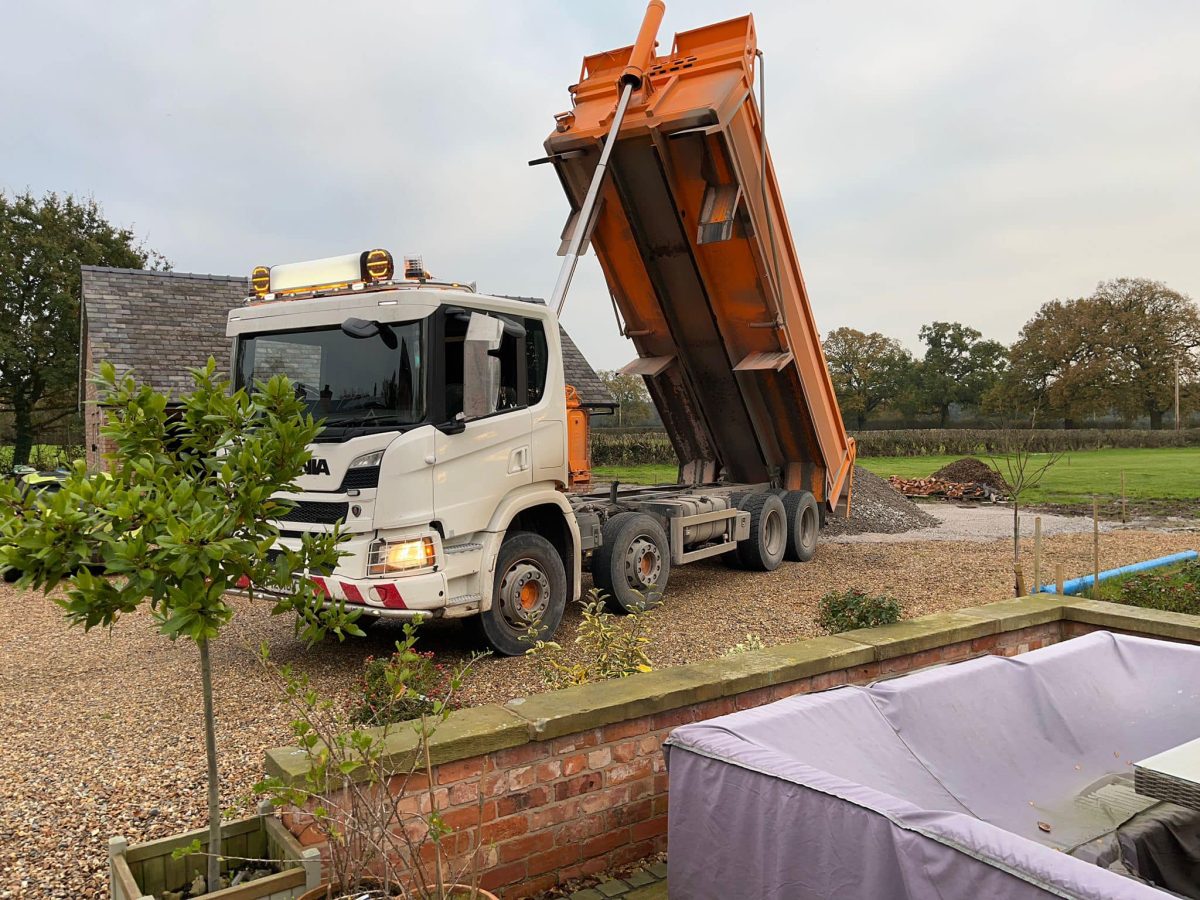
Construction sites generate a remarkable variety of waste, and not all of it can be handled, transported or disposed of in the same way. For anyone managing a build, whether that’s a small residential project or a large commercial development, having a working understanding of how waste is classified isn’t just useful, it’s a legal requirement that carries real consequences if it’s wrong.
Waste classification in the UK sits within a framework governed by the Environment Agency, and it broadly splits into three categories that most contractors will encounter at some point on site.
Inert waste is the most straightforward. This covers materials like concrete, brick, tiles, glass and uncontaminated soil, substances that don’t significantly decompose or react when they’re disposed of. Inert waste is generally the least problematic to deal with, and much of it can be recycled or reused rather than sent to landfill, which is increasingly the preferred outcome both environmentally and from a cost perspective.
Non-hazardous waste covers a wider range of materials that don’t meet the threshold for hazardous classification but can’t be treated as inert either. Mixed construction waste, timber, certain plastics and contaminated soils often fall into this category. It still needs to go to a licensed facility, and the documentation requirements are just as real as for any other waste type.
Hazardous waste is the category that requires the most careful handling. Materials containing asbestos, certain solvents, contaminated ground from brownfield sites and some demolition waste can all fall under this classification. Hazardous waste carries stricter transportation rules, specific consignment note requirements and must only be accepted by appropriately licensed facilities. Getting this wrong carries significant financial and legal exposure for the responsible party on site
Whatever the load type, correct documentation is non-negotiable. Waste transfer notes need to accurately describe what is being moved, who is moving it and where it is going. That paper trail protects everyone involved.
At NWTH, through our muck away services we handle inert and non-hazardous waste across Cheshire and the wider North West, ensuring all loads are transported responsibly and taken to licensed facilities. To discuss your site’s waste removal requirements, call us on 01606 663816 or email transport@nwth.co.uk.